
TBU Faculty of Technology Welcomes First Students to New Radiological Assistance Programme
15. September 2026Tomas Bata University in Zlín has welcomed the first students to its brand-new Radiological Assistance degree programme. The programme, which combines modern technology with healthcare, has been established in response to the long-standing shortage of qualified professionals in the region. The official launch took place this morning in the presence of university representatives, representatives of the Zlín Regional Authority and directors of key hospitals.
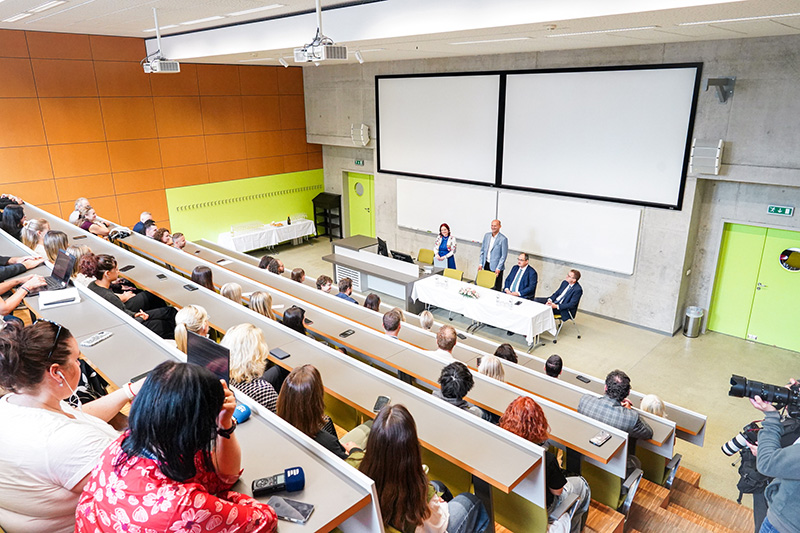
The official welcome for the new students was held in Lecture Hall 002 at the Faculty of Technology and was attended by TBU Rector Prof. Milan Adámek and Dean of the Faculty of Technology Ing. Lenka Šenkárová, Ph.D., as well as a number of distinguished guests. They included Zlín Region Governor Ing. Radim Holiš, representatives of hospitals established by the region and partner hospitals, including Ing. Jan Hrdý, Chairman of the Board of Tomas Bata Regional Hospital, as well as representatives of industry and other TBU faculties.
“The new Radiological Assistance degree programme was established in response to the long-standing shortage of qualified professionals in the region. From the outset, its development has been based on close cooperation between the university, the Zlín Regional Authority and healthcare providers. This cooperation will continue throughout the students’ studies, particularly in the practical training of future radiological assistants,” said Ing. Lenka Šenkárová, Dean of the Faculty of Technology.
A Programme Combining Modern Technology with Practical Training
Radiological Assistance is a three-year professionally oriented Bachelor’s programme. It is distinctive in that, in the Czech Republic, similar programmes are usually offered by medical or health sciences faculties. Its placement at the Faculty of Technology, however, highlights the programme’s strong technological foundation.
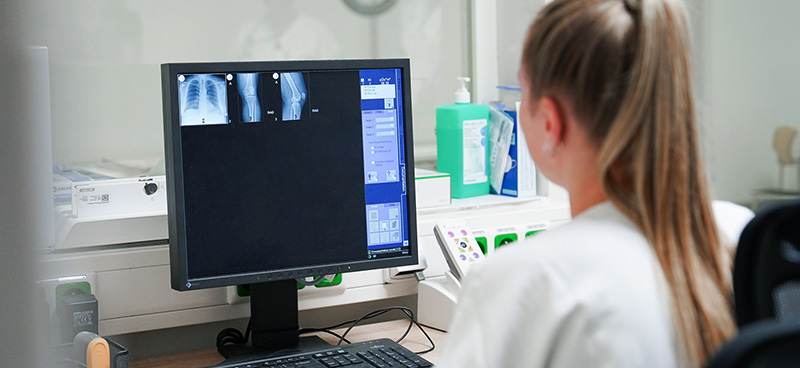
During their studies, students will gain experience with state-of-the-art equipment, including X-ray, CT and magnetic resonance imaging systems, as well as equipment used in nuclear medicine. Particular emphasis is placed on close links with real-world practice. In addition to Tomas Bata Regional Hospital, other healthcare facilities in the region will contribute to teaching and professional training.
“Radiological Assistance is one of the fields whose development is inseparably linked to modern technologies and their rapid advancement. Our aim is therefore not only to prepare students for the technologies available today, but also to teach them how to keep up with developments in the field and be prepared to continue learning throughout their professional lives,” added Dean Lenka Šenkárová.
Strong Interest from Applicants
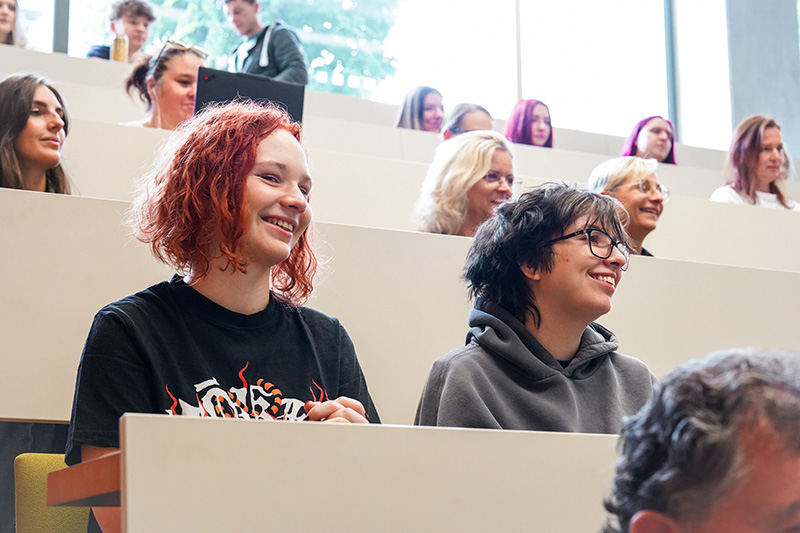
There was exceptional interest in the new programme amongst prospective students. All 48 places on the first-year course were filled by successful applicants.
Graduates of the programme will be able to pursue careers in radiodiagnostics, nuclear medicine and radiation oncology, working in hospitals and diagnostic centres as well as other specialised healthcare facilities.