
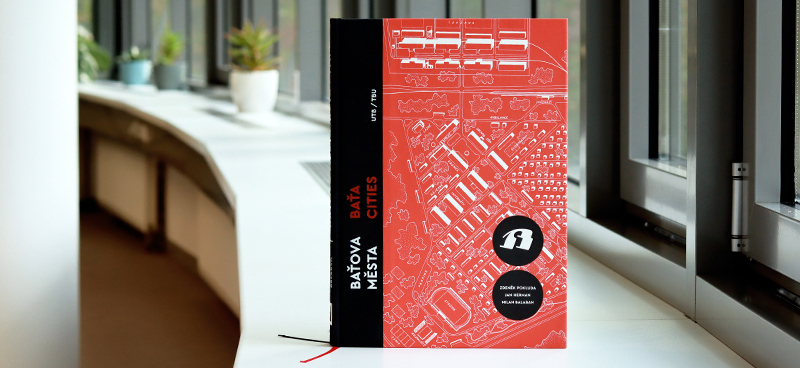
New Book Explores the Cities Developed by the Bata Company
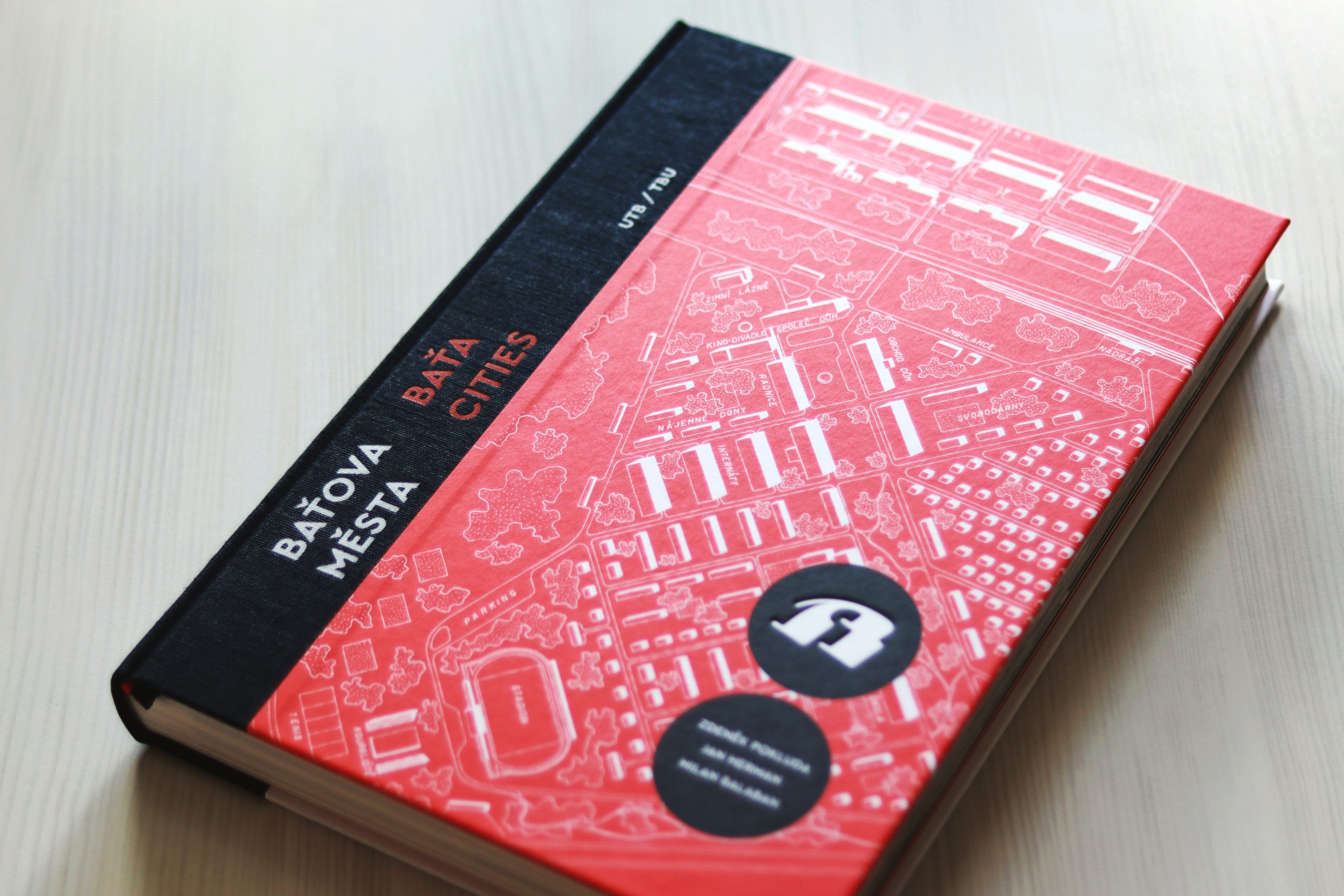
13. October 2026Did you know that the Zlín concept of an ideal town for both work and life has influenced the character of dozens of places around the world? A team of historians and experts on the Bata legacy from the Bata Information Centre at TBU Library has prepared a new bilingual publication, Baťova města / Baťa Cities. Featuring unique photographs, many of them previously unpublished, as well as plans, maps and drawings, the book takes readers on a journey through 24 industrial and garden cities developed by the Bata company from the 1920s onwards across four continents.
Written by Zdeněk Pokluda, Jan Herman and Milan Balaban, the publication offers the most comprehensive overview to date of the phenomenon of towns and cities developed by the Bata company in an international context. Bringing together the history of business, urban planning, architecture and everyday life, it also builds on decades of research. “Our colleagues have been studying towns developed by the Baťa company since the 1990s, and a number of publications have been produced since then. Our aim, however, was to present all 24 company towns across different continents together in a single publication for the first time and show how they have changed from their beginnings to the present day,” explains Zdeněk Pokluda on behalf of the authors.
Zlín, which became the model for other towns and cities developed by the Bata company around the world, is at the heart of the book. The research explores how Tomáš Baťa developed the idea of a town in which work, housing, education, culture and leisure were integrated into one functional whole. The book outlines the fundamental principles behind the development of factory complexes, residential neighbourhoods, schools, community buildings and sports facilities. The emphasis was not only on practicality and efficiency, but also on providing ample green space and a high quality of life for employees and their families. A substantial part of the publication examines how the Zlín model spread abroad and was adapted to the specific conditions of different parts of Europe, Asia, Africa and the Americas.
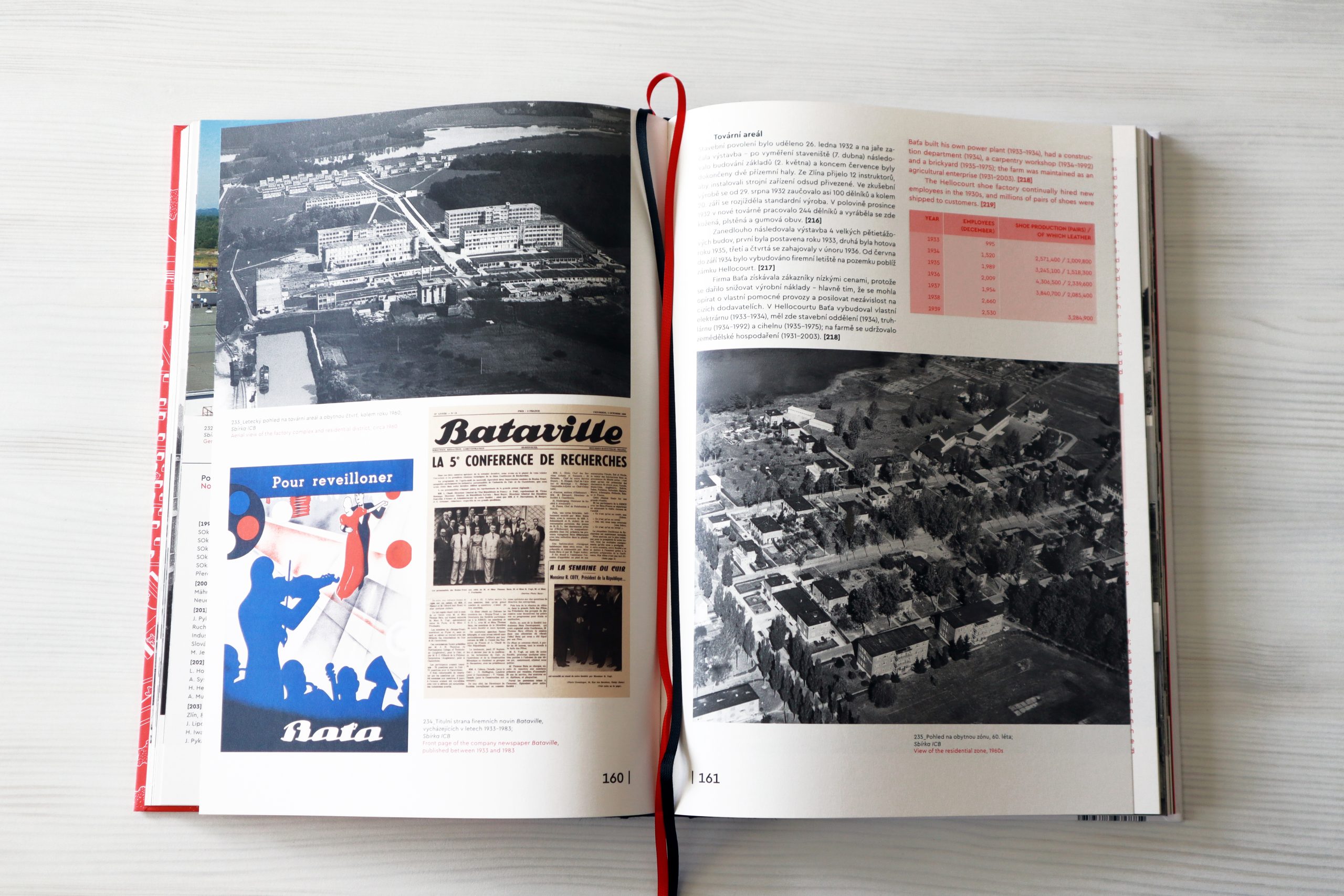
The book is the result of several years of demanding collaborative work. The authors drew on extensive archival sources not only in the Czech Republic, but also in France, the Netherlands, Switzerland, Canada and India. Their research was supplemented by contemporary press coverage, specialist literature and rare interviews with people who remember these towns and their residents. “Thanks to cooperation with Czech and international partners, the book documents not only the historical development but also the present-day appearance of all 24 locations. The result is a rich visual collection of more than 500 illustrations, maps, plans, drawings and historical photographs, many of which are being published for the first time,” says Milan Balaban, member of the TBU Library staff.
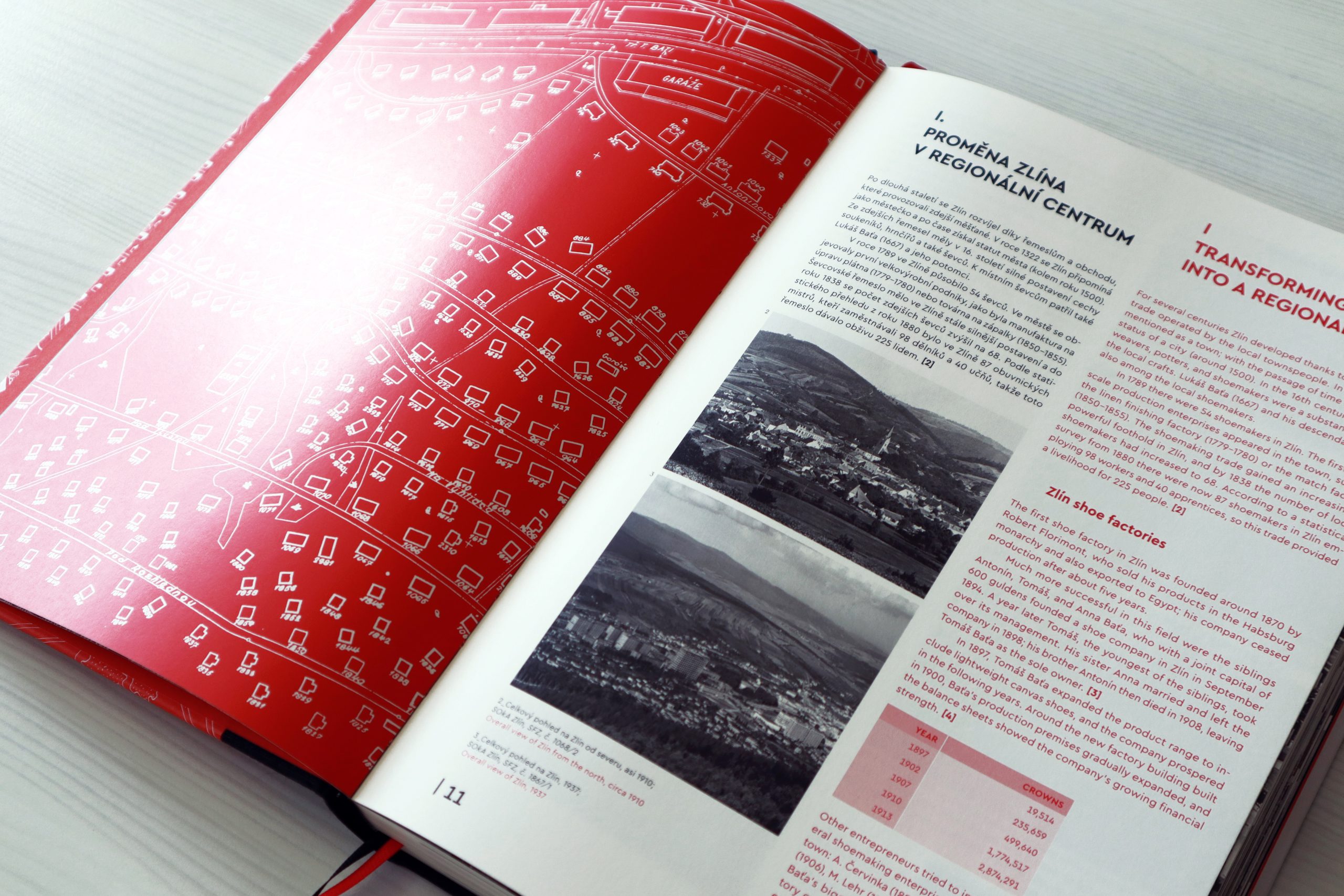
The research also led to a number of surprising discoveries. “Comparative analyses and studies of surviving urban plans have shown that, in most cases, only part of the original, often highly ambitious visions was implemented. Many of these towns were actually intended to be considerably larger,” explains Jan Herman on behalf of the authors. He adds: “The exceptionally diverse visual material also demonstrates how a single company was able to transfer its urban planning and social concepts to entirely different cultural and geographical settings, from industrial centres in Europe to the very different environments of its overseas branches.”
“Tomas Bata University in Zlín is publishing this book as a reminder that the towns developed by the Bata company were much more than just places of production. The idea of combining economic development, a responsible approach to people and a high-quality living environment remains a valuable source of inspiration for modern cities in the 21st century,” adds Ondřej Fabián, Director of TBU Library.
The book has been published by TBU’s University Press. It is available for CZK 749 from the TBU Library (at the lending desk on the first floor), through the TBU University Press website or from partner bookshops.
The Bata Information Centre has been part of TBU’s Library since 2008. Its mission is to introduce the public to Tomáš Baťa and all aspects of the Bata company’s activities in Zlín, Czechoslovakia and around the world, from 1894 to the present day. The Centre manages the websites tomasbata.org, which provides detailed information on Bata history, and svet.tomasbata.org, which offers a clear and concise overview of the company’s activities across the five continents.